
Every generation of girls has grown up with beauty standards.
The difference isn't that today's standards are harsher. It's that today's girls are surrounded by them everywhere they look.
Over the past century, the messages directed at tween girls have remained surprisingly consistent: be beautiful, be desirable, and stay small. What has changed is the way those messages are delivered. Media has evolved from magazines and television to personalized social media feeds powered by algorithms and artificial intelligence.
Print media shaped the first beauty ideals
Fifty years ago, newspapers, magazines, television, and movies were the primary forms of media that tween girls consumed. Media was largely passive. If girls didn't like what they saw in a magazine, they could close it or throw it away. They were exposed to beauty standards, but those messages were limited to the media they chose to consume.
One of the earliest examples of an idealized female image in the United States was the Gibson Girl. Popular during the late nineteenth and early twentieth centuries, she represented the "ideal" woman and even inspired guides teaching girls how to achieve the "correct" body proportions and youthful features.
Although unrealistic, these ideals were confined to print media and advertisements rather than following girls throughout their day.
Generational messages
Baby Boomers grew up alongside the first teen magazines, where advertisements encouraged girls to become the "perfect girlfriend" and emphasized appearance as the key to future happiness and marriage. Ads even promoted shapewear to young girls before they had fully gone through puberty.
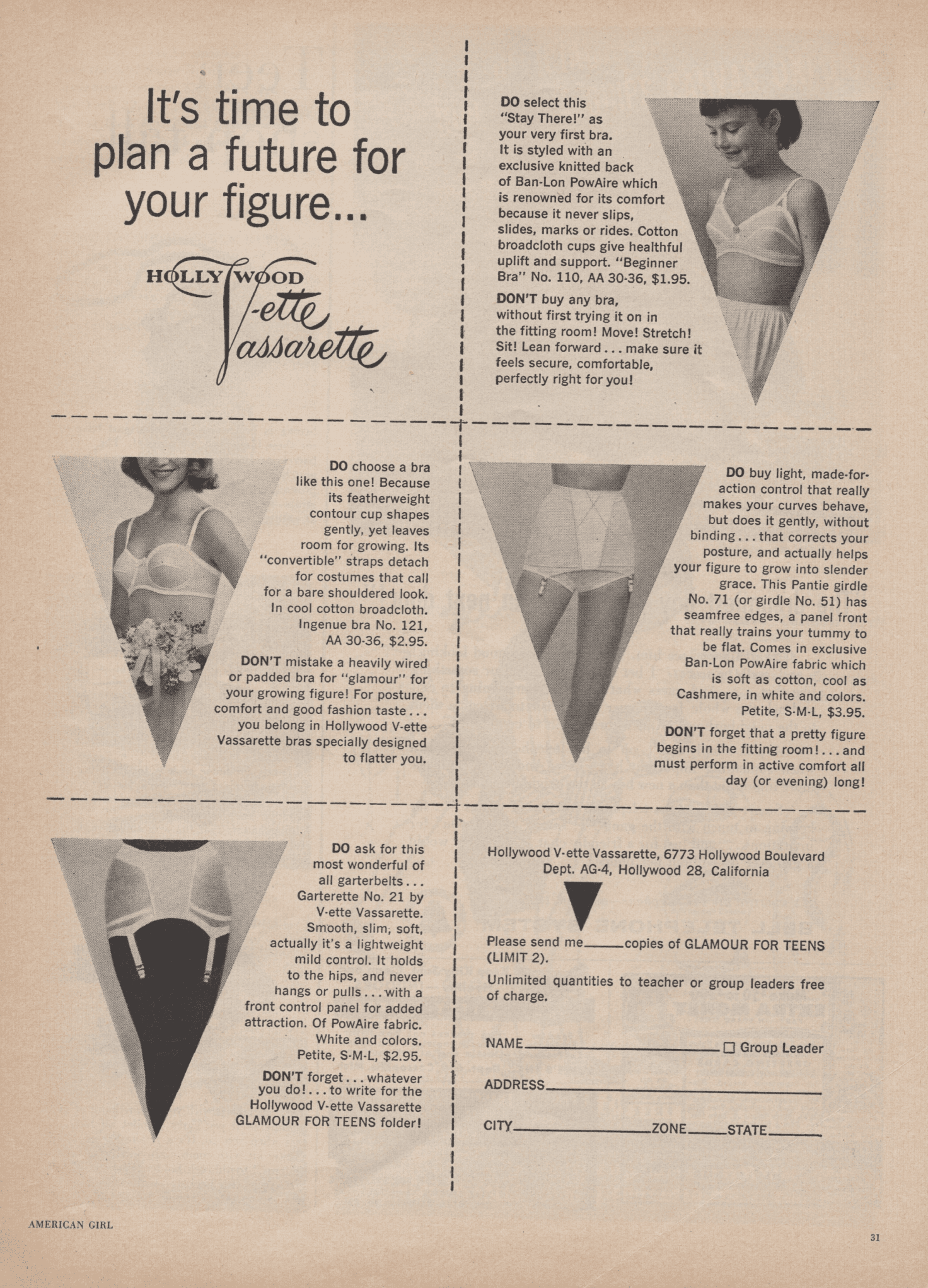
Generation X grew up during a period shaped by the women's liberation movement, but media directed toward tween girls continued to reinforce many of the same beauty ideals. Teen magazines filled their pages with celebrity look-alike contests, beauty advice, and advertisements for makeup and skincare products.
In the June 1977 issue of Teen Beat, readers were invited to enter a Farrah Fawcett look-alike contest, encouraging girls to compare themselves to celebrities based on appearance. Other advertisements were woven directly into editorial content. A feature titled "The Eyes Have It" appeared to be advice written by a fellow teen but subtly promoted Maybelline makeup products while encouraging girls to achieve "flirty eyes."
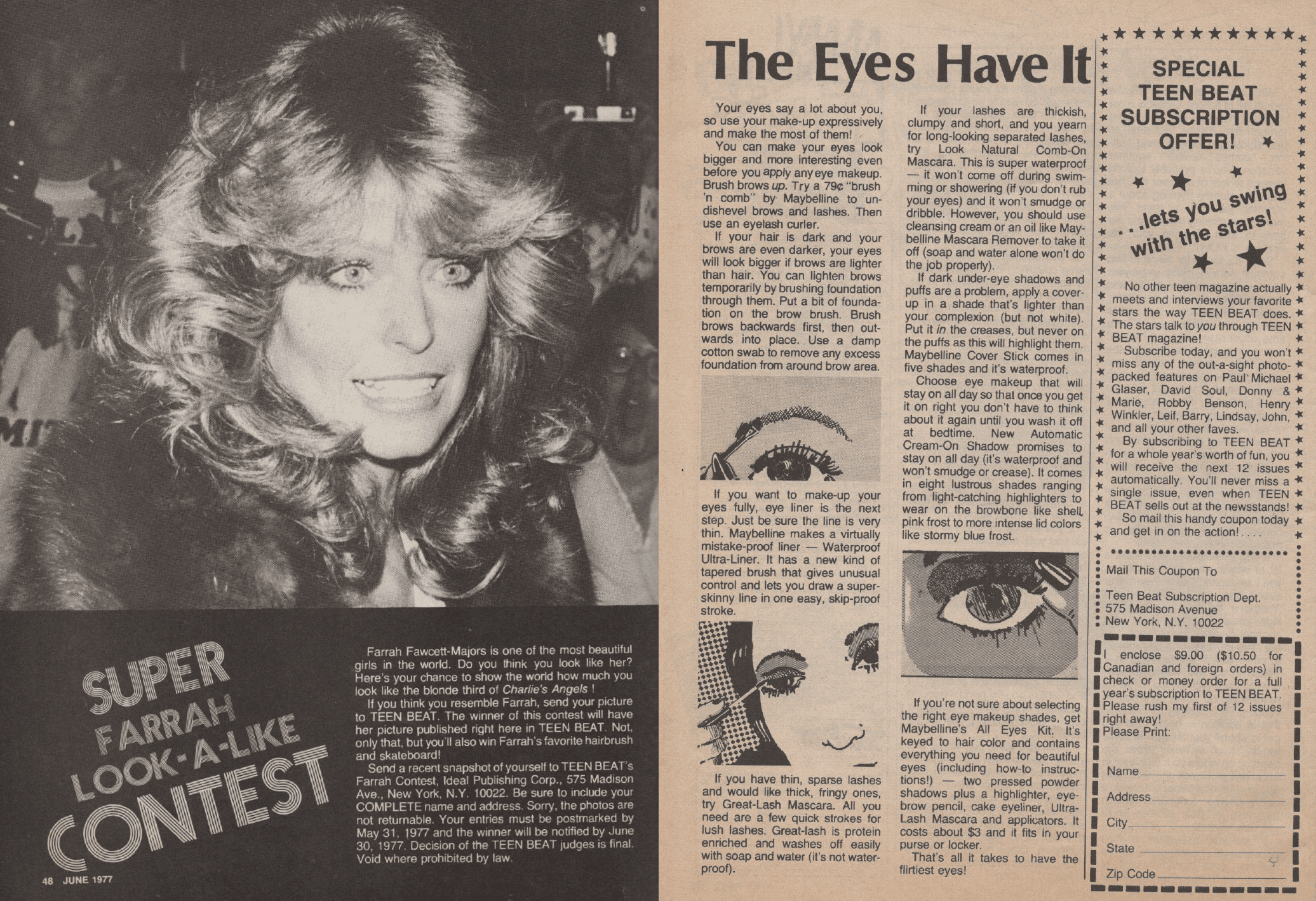
Although the messaging evolved with the times, the underlying expectation remained the same: appearance was still closely tied to confidence, popularity, and success.
Millennials experienced an even stronger focus on appearance. Celebrity magazines frequently highlighted extreme thinness and eating disorders, reinforcing unrealistic body expectations through constant coverage of young female celebrities.
Social media changed everything
Generation Z was the first generation to experience social media fully during their tween years.
Instead of finding inspiration in magazines or television, girls began spending hours scrolling through content created by influencers, celebrities, and peers. Harmful trends like "thinspo," short for "thinspiration," encouraged disordered eating and created online communities where unrealistic body ideals were celebrated and shared.
Unlike magazines, social media never leaves your hand. Tweens addicted to their phones see harmful content being shared, recommended, and resurfaced by algorithms over and over again.
Why it's worse than ever now
Previous generations grew up comparing themselves to celebrities, actresses, and models featured in magazines and on television. Those images were often heavily edited and airbrushed, creating unrealistic beauty standards that girls were encouraged to admire.
However, girls couldn't easily transform themselves to match those images. Beauty standards existed, but they remained outside of themselves. Tweens weren’t able to distort themselves to match the media until now.
Tweens are seeing and interacting with manipulated content constantly. AI beauty filters, face-altering apps, and editing tools allow girls to instantly reshape their own appearance to match whatever beauty standard is currently trending. At the same time, social media algorithms continuously recommend more appearance-based content, creating a cycle of comparison that previous generations never experienced.
What now?
Beauty standards are not new.
What has changed is the speed, scale, and sophistication of the media girls consume every day.
Understanding how media has evolved helps us recognize why media literacy is more important than ever. Girls don't just need to know that beauty standards exist. They need the skills to recognize when those standards are being manipulated, amplified, and personalized specifically for them.
Sources & further reading
How Has the Pre-teen Girls' Magazine Influenced Girls From the 1950s to Present Day?: Historical analysis of pre-teen girls' magazines and how beauty standards, celebrity culture, and gender expectations have evolved across generations.
From Housewife to Superwoman: Historical overview of how advertising shifted from promoting domestic ideals to portraying women balancing careers, motherhood, and beauty expectations.
Rising Dysmorphia Among Adolescents: A Cause for Concern: Overview of body dysmorphic disorder in adolescents, including the growing influence of social media on body image and appearance-based comparison.
Fitting Pretty: Media Construction of Teenage Girls in the 1950s: Historical analysis of how 1950s advertising and teen magazines shaped beauty standards, femininity, and expectations for young girls.





© 2026 gurl core™ | Contact