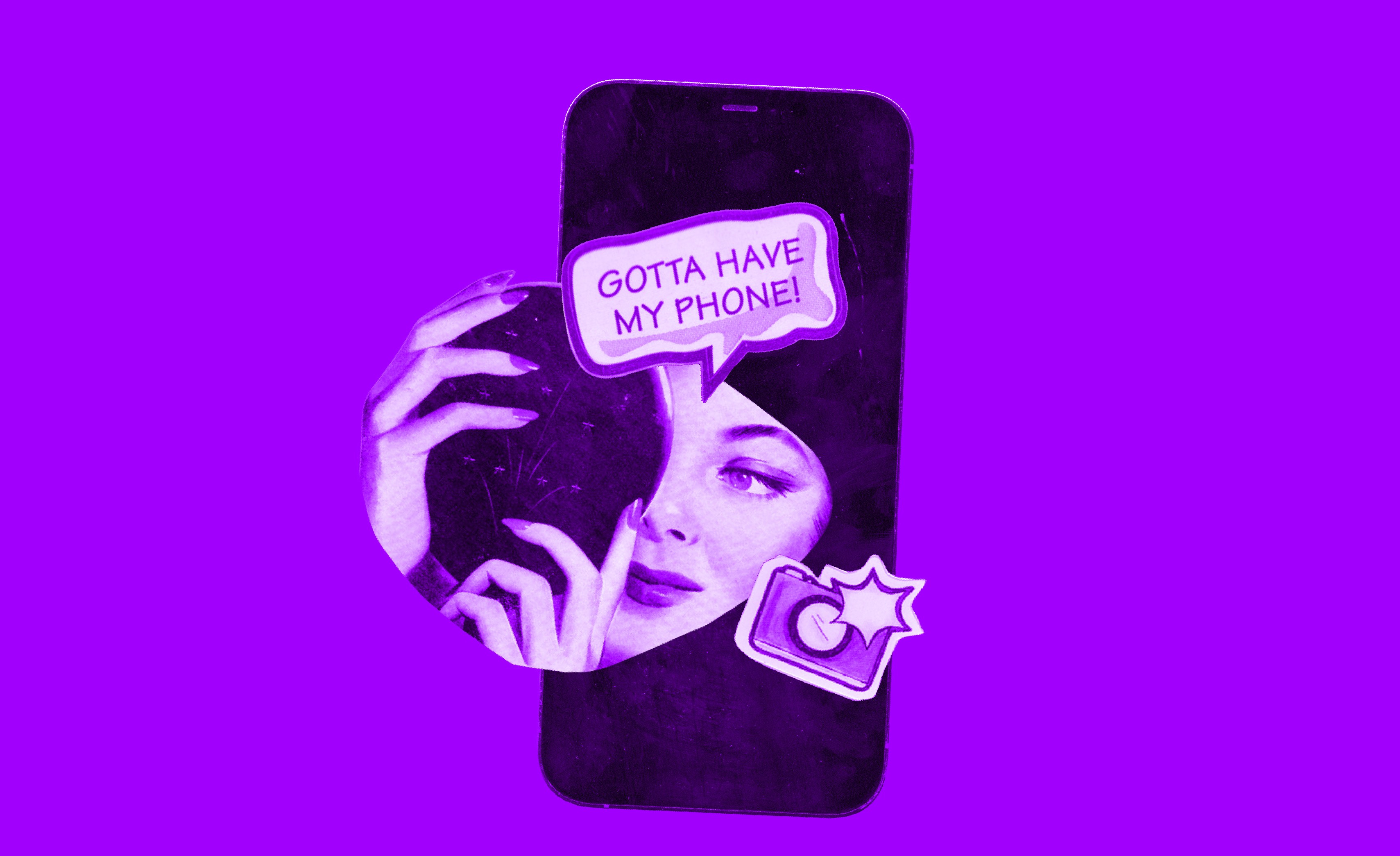
By the time a girl reaches middle school, she is already absorbing messages about how her appearance determines her value. Social media reinforces these messages through likes, filters, and algorithms, often before tweens have the ability to question or contextualize what they see.
The tween years are a critical period for self-esteem. Between ages 8 and 14, girls are forming their sense of identity, learning how they fit into the world, and deciding what makes them “good enough.” When social media becomes part of this process, comparison and unrealistic standards can quietly shape how girls see themselves.
When self-esteem is undermined at this stage, it can lead to deep self-doubt and unhealthy coping behaviors. Over time, constant exposure to comparison-driven content can turn insecurity into something more serious, especially without the tools to understand how social media works.
How social media shapes self-esteem during the tween years
When young girls reach the ages of 9 to 12, they are most likely to receive their first personal mobile device. This often means unrestricted access to the internet for the first time.
Mental health professionals note that around ages 9 to 10, tweens begin comparing themselves to others online. Without consistent parental guidance, they may start categorizing themselves as either “good” or “bad” based on what they see while scrolling. They are not just comparing themselves to peers, but to girls and women of all ages.
This is often where self-esteem issues begin.
The disproportionate impact on tween girls
Research shows that tween girls use social media at higher rates than boys their age. Black and Hispanic or Latino girls also report higher screen time than their white peers.
These disparities highlight the importance of viewing self-esteem through an intersectional lens. Race, ethnicity, and gender intersect in ways that shape how girls experience social media, what content they are shown, and how that content impacts their sense of self.
These disparities highlight why media literacy cannot be addressed with one-size-fits-all solutions.
Why screen time is not the whole problem
While screen time plays a role, the issue is not simply how much time tweens spend online. The larger concern is the amount of media manipulation they are exposed to on a daily basis.
The more time a tween spends online, the more likely they are to encounter harmful content. Algorithms frequently surface unrealistic beauty standards, edited images, and content designed to provoke comparison. Over time, repeated exposure to this type of media erodes self-esteem.
When self-esteem issues turn into mental health disorders
Tween girls are at a higher risk of developing mental health disorders linked to social media use. These can include severe depression, social anxiety, body dysmorphia, eating disorders, and addiction.
Body dysmorphic disorder is characterized by obsessive thoughts that a perceived flaw in one’s appearance is unacceptable, often paired with time-consuming behaviors such as constant comparison and mirror checking. Research shows that teen girls commonly report concerns about fat, complexion, height, acne, and nose shape.
Mental health professionals report that the effects of social media-related self-esteem issues are already showing up in the daily lives of tweens. Many believe this is only the beginning, and that parents will need to be prepared to address these challenges at a much larger scale. Left unaddressed, developing mental health disorders can lead to life-threatening outcomes, including suicide.
Why awareness alone is not enough
Simply knowing that social media can be harmful is not enough to protect tween girls. Awareness must be paired with tools that help girls question what they see, reflect on how it makes them feel, and separate their self-worth from manipulated media.
Supporting self-esteem during the tween years is not about eliminating social media. It is about helping girls build the skills to navigate it without internalizing its most harmful messages. Early intervention matters, and media literacy plays a critical role in protecting both mental health and self-esteem.
Sources & further reading
Common Sense Media: Ongoing research on children’s and teens’ media use and wellbeing
Body dysmorphic disorder in adolescents: Research on body dysmorphia, comparison behaviors, and mental health risks in youth





© 2026 gurl core™ | Contact